Energy has become one of the most important operating costs for modern industries. Manufacturing plants, commercial buildings, warehouses, and processing facilities use electricity for machines, HVAC systems, pumps, compressors, lighting, production lines, and other equipment. When energy usage is not properly tracked, unnecessary consumption can remain hidden and increase operating expenses.
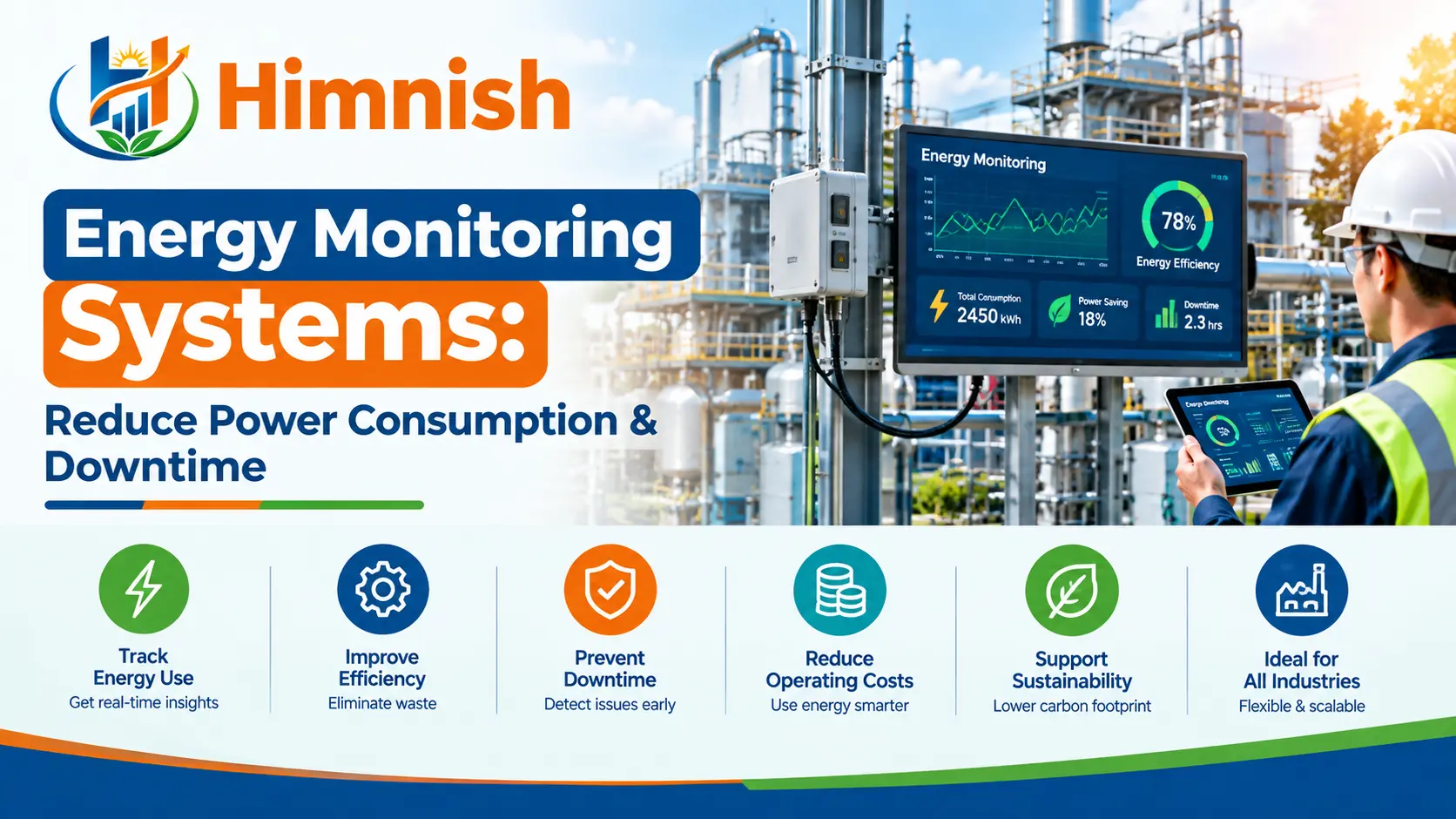
An energy monitoring system helps businesses understand where, when, and how electricity is being consumed. By collecting real-time energy data, these systems can help identify inefficient equipment, unusual power patterns, peak demand, and possible electrical problems. This information allows plant managers to take timely action and improve overall operational efficiency.
For companies looking to reduce electricity costs while maintaining reliable production, professional energy monitoring solutions can become an important part of their automation and energy-management strategy.
What Is an Energy Monitoring System?
An energy monitoring system is a combination of electrical meters, sensors, communication devices, software, and monitoring dashboards used to measure and analyze energy consumption.
Depending on the application, the system can monitor parameters such as:
- Voltage
- Current
- Power consumption
- Power factor
- Frequency
- Active and reactive energy
- Peak demand
- Equipment-wise consumption
- Daily, weekly, and monthly energy trends
Instead of depending only on electricity bills, businesses can use real-time data to understand their actual consumption. The collected information can be displayed through a centralized dashboard, allowing operators to monitor multiple machines, production areas, or buildings from one location.
Also Read: Temperature Monitoring Systems: Importance in Industrial Automation
Why Energy Monitoring Is Important for Industries
Industrial operations often contain several machines running simultaneously. Even a small amount of unnecessary energy consumption from individual machines can become a significant expense when calculated over months or years.
An energy monitoring system makes consumption visible. For example, if one production line suddenly starts using more electricity than its normal operating range, the monitoring system can highlight the change. Maintenance teams can then investigate whether the issue is related to equipment condition, operating settings, mechanical problems, or electrical faults.
This approach changes energy management from guesswork into a data-based process.
How Does an Energy Monitoring System Work?
An energy monitoring setup generally begins with measurement devices installed at suitable electrical points. These may include the main incoming supply, distribution panels, individual machines, production lines, or specific departments.
The meters collect electrical information continuously. Communication technologies then transfer the data to a monitoring platform or industrial software.
The basic process can be understood in four steps:
1. Measurement
Meters and sensors measure electrical parameters from connected equipment or electrical panels.
2. Data Collection
The measured information is collected through a communication network. Depending on the installation, protocols such as Modbus or other industrial communication methods may be used.
3. Data Analysis
Software processes the collected information and presents consumption patterns through dashboards, graphs, reports, and alerts.
4. Action
Operators and management teams use the information to identify energy waste, investigate abnormal conditions, optimize equipment operation, and plan maintenance.
How Energy Monitoring Helps Reduce Power Consumption
The main purpose of energy monitoring is not simply to display numbers. Its real value comes from using energy data to identify opportunities for improvement.
Identifying Energy-Intensive Equipment
Some machines naturally require more power than others. Monitoring individual equipment helps businesses determine which assets contribute significantly to total energy consumption.
Once high-consumption equipment is identified, the company can investigate operating schedules, maintenance requirements, loading conditions, or opportunities for energy-efficient upgrades.
Detecting Unusual Consumption
A sudden increase in energy consumption can indicate a change in machine performance. For example, an inefficient motor, overloaded equipment, compressed-air leakage, or malfunctioning component may increase power usage.
Early identification allows maintenance teams to investigate before the problem becomes more expensive.
Managing Peak Demand
Industrial electricity costs can be influenced by maximum demand. Monitoring peak demand helps businesses understand when consumption reaches its highest level.
Production schedules and high-energy equipment operation can potentially be managed more effectively when peak periods are clearly visible.
Reducing Unnecessary Consumption
Energy data can reveal equipment that consumes electricity when it is not required. Machines, lighting systems, HVAC equipment, and auxiliary systems may continue operating during idle periods.
With better visibility, businesses can develop operating schedules and shutdown practices that reduce unnecessary consumption.
Energy Monitoring and Downtime Reduction
Energy management and equipment reliability are closely connected. Abnormal electrical behavior can sometimes provide an early indication that equipment requires attention.
For example, changes in current or power consumption may occur when a motor is operating under unusual conditions. While energy monitoring does not replace specialized condition-monitoring systems, it can provide useful operational information for maintenance teams.
This can support a preventive maintenance approach rather than waiting for a complete equipment failure.
Reduced unexpected failures can help businesses maintain production schedules, avoid emergency repairs, and improve equipment availability.
Key Benefits of Energy Monitoring Solutions
Businesses can implement energy monitoring solutions according to their facility size, equipment requirements, and monitoring objectives.
Some important benefits include:
Better Energy Visibility
Real-time data gives operators a clearer understanding of how electricity is being used across the facility.
Lower Operating Costs
Identifying waste and inefficient operating patterns can create opportunities to reduce energy expenses.
Improved Equipment Performance
Changes in power consumption can help maintenance teams identify equipment that may require inspection.
Reduced Downtime
Early detection of unusual electrical patterns can support timely maintenance and reduce the risk of unexpected interruptions.
Data-Based Decision Making
Instead of making assumptions about energy use, management can use historical and real-time data to plan improvements.
Easy Reporting
Automated dashboards and reports can simplify the process of tracking energy performance over different time periods.
Applications of Energy Monitoring Systems
Energy monitoring can be used across a wide range of industries and facilities.
Manufacturing Plants
Production lines, motors, compressors, pumps, furnaces, and other industrial equipment can be monitored to understand machine-level energy consumption.
Commercial Buildings
Offices, shopping centers, hotels, and institutional buildings can monitor HVAC systems, lighting, elevators, and other electrical loads.
Warehouses and Logistics Facilities
Energy consumption from refrigeration, material-handling systems, lighting, and HVAC can be tracked for better operational control.
Pharmaceutical and Food Processing
These industries often operate equipment and environmental systems continuously. Monitoring helps provide better visibility into energy-intensive processes.
Data Centers
Data centers require significant amounts of electricity for servers, cooling, power backup, and supporting infrastructure. Continuous monitoring can help identify consumption patterns and operational inefficiencies.
Energy Monitoring Services for Industrial Facilities
Installing meters is only one part of an effective energy-management program. Businesses may also require professional energy monitoring services for system design, installation, configuration, data integration, and ongoing analysis.
A suitable service provider can assess the facility and determine where monitoring points should be installed. The system can then be integrated with existing electrical infrastructure or industrial automation platforms where appropriate.
Professional services may include energy audits, meter installation, dashboard configuration, communication setup, data analysis, alert configuration, and system maintenance.
This makes it easier for businesses to turn raw energy data into useful operational information.
Choosing the Right Energy Monitoring System
Every facility has different energy requirements, so the monitoring system should be selected according to the application.
Important factors to consider include:
- Number of monitoring points
- Type of electrical loads
- Required measurement parameters
- Communication requirements
- Real-time monitoring needs
- Data storage and reporting
- Integration with existing automation systems
- Alarm and notification requirements
- Future expansion possibilities
A scalable system is particularly useful for growing facilities because additional machines or electrical panels can be added as the business expands.
Future of Energy Monitoring
The future of industrial energy management is moving toward smarter, connected systems. IoT-enabled meters, cloud dashboards, automated alerts, analytics, and integration with industrial automation can provide businesses with more detailed information about energy performance.
Advanced systems can help compare current consumption with historical trends, identify unusual patterns, and support continuous improvement programs.
As energy costs and efficiency requirements continue to receive greater attention, digital monitoring will become increasingly valuable for organizations seeking better control over their resources.
Conclusion
An energy monitoring system provides businesses with clear and actionable information about electricity consumption. By monitoring machines, electrical panels, production lines, and facility systems, companies can identify energy-intensive operations, detect unusual consumption, manage peak demand, and support preventive maintenance.
The right energy monitoring solutions can therefore contribute not only to lower power consumption but also to more reliable operations and reduced downtime. With professional energy monitoring services, businesses can design, install, and maintain systems that match their specific operational requirements.
For modern industries, monitoring energy is no longer simply about checking how much electricity is being used. It is about understanding energy behavior, finding improvement opportunities, and using reliable data to build a more efficient and dependable operation.